



Multiple System Atrophy
Multiple System Atrophy (MSA) is a formidable neurodegenerative disorder, often misunderstood and underdiagnosed, presenting a complex challenge to patients, clinicians, and researchers alike. While sharing some hallmarks with more common conditions like Parkinson’s disease, MSA is distinct in its rapid progression and the profound impact it has on the autonomic nervous system, which governs involuntary bodily functions. This article aims to demystify MSA, providing a comprehensive overview of its causes, the diverse array of symptoms, the diagnostic journey, current management strategies, and the exciting frontiers of research that offer glimmers of hope for those affected.
Introduction: Unraveling Multiple System Atrophy
Multiple System Atrophy (MSA) represents a significant, albeit rare, neurological condition characterized by the progressive degeneration of nerve cells within the brain and spinal cord. Its insidious onset and varied presentation often lead to diagnostic delays, compounding the difficulties faced by individuals and their families. Understanding MSA requires appreciating its complex interplay of motor, autonomic, and sometimes cerebellar impairments, stemming from the malfunction and eventual loss of specific neuronal populations.
What is Multiple System Atrophy (MSA)?
At its core, Multiple System Atrophy is a rapidly progressive, fatal disorder that affects the central and autonomic nervous systems. It is classified as a synucleinopathy, meaning it is characterized by the abnormal accumulation of a protein called alpha-synuclein within specific cells in the brain. This accumulation leads to neuronal dysfunction and ultimately cell death, impacting various brain regions responsible for motor control, blood pressure regulation, and other vital involuntary functions.
The Growing Understanding of a Complex Neurodegenerative Disorder
 MSA is broadly classified into two motor subtypes based on the predominant symptoms at onset: MSA-P, characterized by parkinsonism, and MSA-C, characterized by cerebellar ataxia.
Historically, MSA was recognized through distinct syndromes such as Striatonigral Degeneration (MSA-P, characterized by parkinsonism) and Olivopontocerebellar Atrophy (MSA-C, marked by cerebellar dysfunction). The evolution of understanding, particularly through advancements in imaging and neuropathology, has consolidated these into a single entity, MSA, with variations in clinical presentation. Despite extensive research, the precise triggers initiating the pathological cascade remain elusive, though significant progress has been made in understanding the underlying mechanisms.
What This Article Will Cover
This article will delve into the intricacies of Multiple System Atrophy, exploring its definition and historical context. We will meticulously examine the known and emerging causes and pathogenesis, including the central role of alpha-synuclein and genetic factors. A comprehensive breakdown of the multifaceted symptoms, categorized by subtype (MSA-P and MSA-C), will be provided, followed by an exploration of the diagnostic challenges and current methods. Finally, we will discuss existing treatment strategies, supportive care, and the promising landscape of the latest research and future directions in combating this challenging disease.
What is Multiple System Atrophy (MSA)? Defining a Complex Condition
Multiple System Atrophy (MSA) is a distinct neurodegenerative condition that demands careful consideration due to its progressive nature and the wide spectrum of its effects on the body. Understanding its fundamental characteristics is crucial for effective management and research.
A Rare and Progressive Neurodegenerative Disorder
Multiple System Atrophy (MSA) is considered a rare disease, with estimates suggesting approximately 42,000 diagnosed prevalent cases of Multiple System Atrophy (MSA) in the United States as of 2023. It typically affects individuals between the ages of 50 and 60, with a mean age at onset of 52.5-55 years. The disease is characterized by the relentless degeneration of nerve cells in key areas of the brain, including the cerebellum, basal ganglia, and brainstem. This widespread neuronal loss underlies the diverse symptoms that emerge, often mimicking other neurological disorders but with a distinct and typically faster progression. MSA is ultimately fatal, usually within 10 years of diagnosis, though life expectancy can vary.
Historical Perspective and Nomenclature: From Syndromes to MSA
The understanding of MSA has evolved significantly over time. Initially, distinct clinical syndromes were described based on their predominant features. Striatonigral Degeneration (SND) primarily affected the basal ganglia, leading to parkinsonism. Olivopontocerebellar Atrophy (OPCA) involved the cerebellar pathways and brainstem, causing ataxia. The Shy-Drager syndrome was characterized by severe autonomic nervous system dysfunction, particularly orthostatic hypotension, alongside either parkinsonian or cerebellar signs. Through neuropathological studies and advances in diagnostic techniques, it became clear that these syndromes often shared a common underlying pathology: the accumulation of alpha-synuclein in oligodendrocytes. This led to the unification of these conditions under the umbrella term Multiple System Atrophy, acknowledging the involvement of multiple systems within the nervous system.
Subtypes of MSA: Understanding the Clinical Presentations
While a single entity, MSA is often described by its predominant clinical features, leading to two main subtypes: MSA-P (Parkinsonian type) and MSA-C (Cerebellar type).
- MSA-P (Parkinsonian Type): This subtype is characterized by parkinsonian features, which are similar to those seen in Parkinson’s disease. These include bradykinesia (slowness of movement), rigidity (stiffness), resting tremor, and postural instability. However, MSA-P tends to progress more rapidly, and the response to levodopa, a common Parkinson’s medication, is often less pronounced and shorter-lived. The underlying pathology often involves degeneration in the striatonigral pathways of the basal ganglia.
- MSA-C (Cerebellar Type): In this subtype, cerebellar signs are more prominent. These include ataxia (lack of coordination), gait unsteadiness, difficulty with balance, dysmetria (impaired ability to judge distance or range of movement), and dysarthria (slurred speech). The degeneration primarily affects the cerebellar pathways and the olivopontocerebellar system.
It is important to note that many individuals may exhibit features of both subtypes, and the classification can sometimes shift as the disease progresses. Autonomic dysfunction is a core feature in nearly all individuals with MSA, regardless of subtype.
The Underlying Mechanisms: Causes and Pathogenesis of MSA
The precise triggers for Multiple System Atrophy remain unknown, but significant research has illuminated the cellular processes and protein abnormalities that define its pathology.
The Central Role of Alpha-Synuclein (α-synuclein)
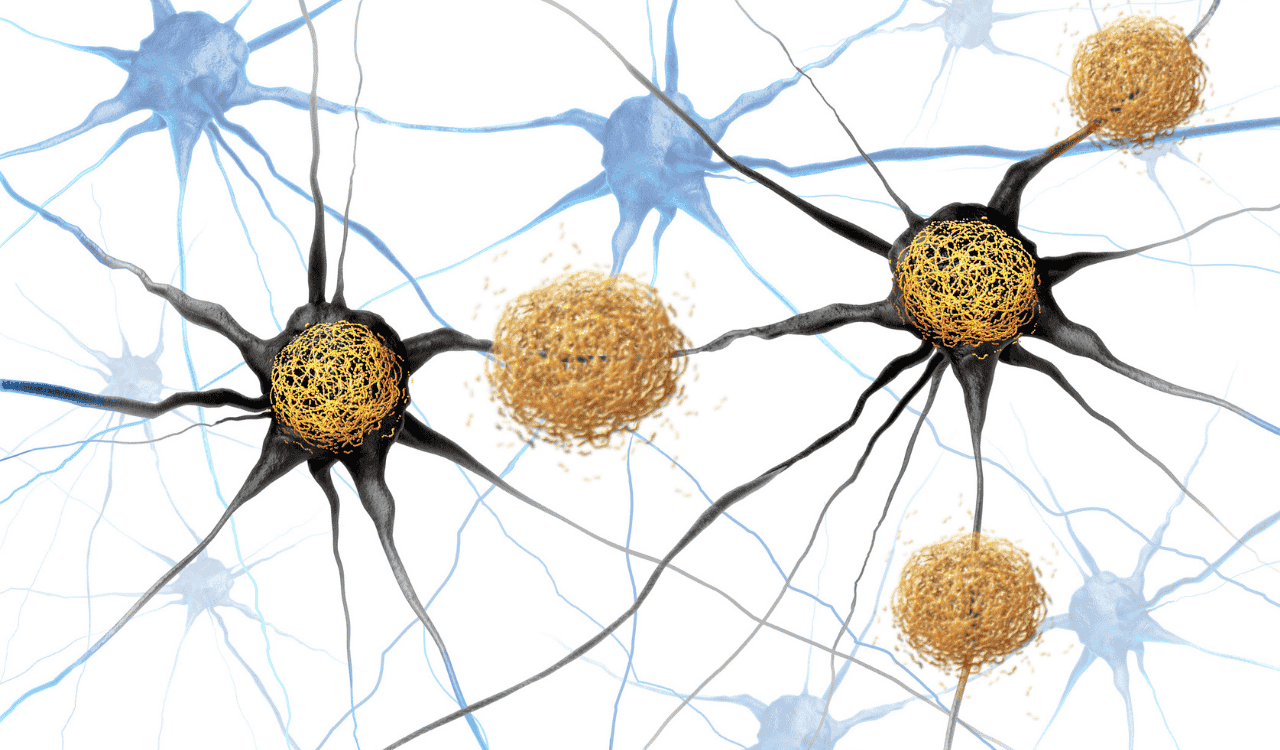
The hallmark of MSA is the abnormal accumulation of alpha-synuclein (α-synuclein) protein within the brain. In healthy individuals, α-synuclein is a soluble protein found in nerve terminals, playing a role in neurotransmitter release. However, in MSA, it misfolds and aggregates into insoluble fibrils, forming characteristic glial cytoplasmic inclusions (GCIs) within oligodendrocytes, the cells responsible for producing myelin, the protective sheath around nerve fibers. The exact mechanism by which α-synuclein aggregation initiates neuronal damage is complex and an active area of research, but it is believed to disrupt cellular function, promote inflammation, and potentially spread from cell to cell in a prion-like manner.
The Dysfunction of Oligodendroglia (Glial Cells)
The primary site of α-synuclein accumulation in MSA is the oligodendrocyte. The dysfunction of these vital cells has profound implications. Oligodendrocytes are crucial for maintaining myelin and supporting neuronal health. When they are compromised by α-synuclein pathology, myelin integrity is lost, leading to impaired nerve signal transmission and neuronal degeneration. This widespread myelin damage contributes significantly to the diverse symptoms of MSA, affecting motor pathways, sensory pathways, and the autonomic nervous system.
Emerging Concepts in Pathogenesis
Beyond α-synuclein accumulation, research is uncovering a more intricate picture of MSA pathogenesis. Oxidative stress, a state where the body’s production of reactive oxygen species overwhelms its antioxidant capacity, is thought to play a significant role in damaging neurons and glial cells. Mitochondrial dysfunction, leading to energy deficits within cells, also contributes to cellular demise. Furthermore, dysregulation of myelin lipids, neuroinflammation, and a decrease in neurotrophic factors (substances that support neuron survival and growth) are increasingly recognized as contributing factors to the progressive neurodegeneration seen in MSA.
Genetic Factors: A Glimpse into Predisposition
While the vast majority of MSA cases are considered sporadic (not inherited), research into genetic factors is ongoing. Some rare mutations in specific genes have been identified that predispose individuals to developing MSA, but these account for only a small percentage of cases. More commonly, researchers are identifying genetic variations that may confer a slightly increased risk or influence the disease’s progression. For instance, a 2024 study identified four new genetic risk factors for Multiple System Atrophy, advancing the understanding of its pathogenesis. This ongoing investigation into the genetic landscape is crucial for identifying individuals at higher risk and potentially developing targeted therapies.
Recognizing the Signs: A Comprehensive Look at MSA Symptoms
The symptoms of Multiple System Atrophy are diverse and often overlap, making early diagnosis challenging. They typically arise from the dysfunction of the autonomic nervous system, parkinsonian pathways, and cerebellar pathways.
Autonomic Dysfunction (Dysautonomia / Autonomic Failure)
This is a hallmark of MSA and is present in almost all individuals, often being the earliest noticeable symptom. The autonomic nervous system controls involuntary bodily functions. In MSA, this system falters, leading to a range of issues:
- Orthostatic Hypotension: This is a severe drop in blood pressure upon standing, causing dizziness, lightheadedness, fainting, and even collapse. It significantly impacts mobility and daily independence. The positive predictive value of MSA clinical diagnosis has improved to 78% in recent years, potentially due to increased use of brain MRI, but autonomic dysfunction remains a key indicator.
- Urinary and Bowel Dysfunction: Difficulty with bladder control (incontinence or retention) and constipation are common.
- Sexual Dysfunction: Erectile dysfunction in men is frequent.
- Thermoregulation Problems: Difficulty regulating body temperature, leading to excessive sweating (or lack thereof, known as anhidrosis) and feeling cold.
- Other Autonomic Symptoms: Dry eyes, dry mouth, and gastrointestinal motility issues can also occur.
Parkinsonian Features (Predominant in MSA-P)
When the striatonigral degeneration is more pronounced, individuals exhibit parkinsonian symptoms:
- Bradykinesia: Slowness of movement, which can make simple tasks time-consuming.
- Rigidity: Stiffness in the limbs and trunk, leading to discomfort and reduced range of motion.
- Tremor: Often a resting tremor, which may be less pronounced than in Parkinson’s disease.
- Postural Instability: Impaired balance and coordination, leading to a higher risk of falls. The problem with mobility was reported by 92.1% of patients with Multiple System Atrophy, significantly impacting their health-related quality of life.
Cerebellar Features (Predominant in MSA-C)
When olivopontocerebellar atrophy is the dominant feature, cerebellar signs emerge:
- Ataxia: A lack of voluntary coordination of muscle movements, leading to unsteadiness and an unsteady gait.
- Gait Instability: Difficulty walking, often described as a wide-based or staggering gait.
- Dysmetria: Difficulty judging distances or judging the force needed for movements, leading to overshooting or undershooting targets.
- Dysarthria: Slurred or poorly articulated speech, making communication challenging.
Other Potential Symptoms
Beyond these core features, individuals with MSA may experience:
- Swallowing Difficulties (Dysphagia): This can lead to aspiration, choking, and malnutrition, requiring speech therapy intervention.
- Speech Problems (Dysphonia/Dysarthria): A weakened or strained voice, and slurred speech.
- Vision Issues: Blurred vision, double vision (diplopia), or reduced visual acuity.
- Sleep Disturbances: Particularly REM sleep behavior disorder, where individuals act out their dreams.
- Cognitive Changes: While typically less severe than in Alzheimer’s or Parkinson’s disease, some individuals may experience difficulties with executive functions or memory.
- Emotional Lability: Inappropriate laughing or crying.
- Fatigue: A profound sense of tiredness.
- Respiratory Insufficiency: In later stages, breathing difficulties can arise.
Delayed diagnosis is common in MSA, with an average of 3.8 years from symptom onset to definitive diagnosis, underscoring the importance of recognizing this complex constellation of symptoms. Misdiagnosis rates for Multiple System Atrophy can range from 21-38% due to overlapping symptoms with other neurodegenerative disorders.
The Diagnostic Journey: Identifying MSA
Diagnosing Multiple System Atrophy is a complex process, often involving a careful assessment of clinical symptoms, a review of medical history, and the exclusion of other conditions with similar presentations.
The Challenge of Diagnosis and Differential Diagnosis
The primary diagnostic challenge lies in MSA’s similarity to Parkinson’s disease, as well as other movement disorders and autonomic neuropathies. The progressive nature and overlapping symptoms mean that differentiating MSA from Parkinson’s disease, especially in the early stages, can be difficult. The autonomic failure component, particularly severe orthostatic hypotension, is a critical clue that distinguishes MSA from typical Parkinson’s. However, conditions like pure autonomic failure or other forms of parkinsonism must also be ruled out.
Clinical Diagnostic Criteria: The International Consensus Conference
Diagnosis relies heavily on clinical criteria established by international consensus conferences. These criteria emphasize the presence of significant autonomic failure and/or cerebellar or parkinsonian signs, along with characteristic findings on neurological examination. The criteria are progressively stringent, moving from “possible MSA” to “probable MSA” based on the presence of supportive features and the absence of alternative diagnoses.
Neuroimaging Studies
Brain magnetic resonance imaging (MRI) is a crucial tool in the diagnostic process. While it cannot definitively diagnose MSA, MRI can reveal characteristic patterns of atrophy in specific brain regions, such as the cerebellum, brainstem (pons), basal ganglia (particularly the putamen), and the loss of the “hot cross bun sign” in the pons, which is indicative of pontine myelin loss. These imaging findings help support a diagnosis of MSA and can also help rule out other structural brain abnormalities like strokes or tumors.
Autonomic Function Testing: Confirming Autonomic Failure
To objectively assess the extent of autonomic nervous system dysfunction, specialized tests are employed. These include:
- Tilt Table Test: Measures blood pressure and heart rate responses when the patient is tilted upright.
- Quantitative Sudomotor Axon Reflex Test (QSART): Measures the body’s ability to sweat in response to a stimulus.
- Valsalva Maneuver: Assesses heart rate and blood pressure responses to forced exhalation.
These tests provide objective evidence of autonomic impairment, which is a key diagnostic feature of MSA.
Other Diagnostic Tools
A thorough neurological examination, detailed patient history focusing on the onset and progression of symptoms, and response (or lack thereof) to medications like levodopa are all vital components of the diagnostic workup. Blood tests and other laboratory investigations are typically performed to rule out other potential causes of neurological symptoms, such as vitamin deficiencies or autoimmune conditions.
Pathological Diagnosis: The Gold Standard (Post-Mortem)
The definitive diagnosis of MSA can only be made through post-mortem examination of brain tissue. This examination confirms the presence of alpha-synuclein accumulation in oligodendrocytes and identifies the specific patterns of neuronal and glial degeneration characteristic of MSA. While this is the “gold standard,” it highlights the importance of continued research into reliable biomarkers for ante-mortem diagnosis.
Managing MSA: Current Treatment Strategies and Supportive Care
Currently, there is no cure for Multiple System Atrophy. Treatment focuses on managing symptoms, improving quality of life, and providing comprehensive support. The global Multiple System Atrophy therapeutics market, valued at USD 141.2 Million in 2024, is projected to grow, indicating increasing investment in developing new treatments.
No Cure, Focus on Symptomatic Relief and Quality of Life
The management of MSA is a multidisciplinary effort aimed at alleviating the diverse symptoms that impact patients’ daily lives. The progressive nature of the disease means that management strategies must adapt as the condition evolves.
Pharmacological Interventions
- For Parkinsonian Symptoms: Levodopa, often used to treat Parkinson’s disease, may provide temporary relief for some parkinsonian symptoms in MSA-P. However, its effectiveness is generally less pronounced and shorter-lived than in Parkinson’s disease. Other parkinsonian medications might be tried, but often with limited success.
- For Orthostatic Hypotension: Medications such as fludrocortisone, midodrine, or droxidopa are often prescribed to help raise blood pressure and alleviate dizziness upon standing. Lifestyle adjustments like increasing salt and fluid intake (under medical supervision) are also crucial.
- For Other Autonomic Symptoms: Medications are available to manage urinary dysfunction, constipation, and other autonomic nervous system issues.
Non-Pharmacological Therapies and Lifestyle Adjustments
- Physical Therapy: Essential for maintaining mobility, balance, and strength. Therapists can provide exercises to improve gait stability and prevent falls.
- Occupational Therapy: Helps individuals adapt their daily routines and environments to maintain independence. This can involve recommending assistive devices for eating, dressing, and mobility.
- Speech Therapy: Crucial for managing swallowing difficulties (dysphagia) and improving speech clarity.
- Dietary Modifications: Tailored to address swallowing issues and constipation, ensuring adequate nutrition and hydration.
- Assistive Devices: Walkers, wheelchairs, adaptive utensils, and other aids can significantly improve daily function and safety.
- Fluid and Sodium Management: Careful management of fluid and salt intake is vital for individuals experiencing orthostatic hypotension.
The Frontier of MSA Research
Despite the challenges, the field of MSA research is vibrant and holds considerable promise for improved understanding, diagnosis, and treatment. Over 20 active companies are advancing more than 22 potential therapies for Multiple System Atrophy in various stages of development.
Advancing Understanding of Pathogenesis
Researchers are intensely focused on unraveling the complex cascade of events that lead to neuronal degeneration in MSA. This includes further investigating the mechanisms of alpha-synuclein misfolding and aggregation, its cell-to-cell transmission, and its toxic effects on oligodendrocytes and neurons. Understanding these fundamental processes is key to identifying targets for future therapies.
Biomarker Discovery for Early Diagnosis
Developing reliable biomarkers—measurable indicators of a biological state—is a major goal. Biomarkers could enable earlier and more accurate diagnosis, potentially before significant irreversible brain damage occurs. Research is exploring blood tests, cerebrospinal fluid analysis, and advanced neuroimaging techniques to identify such indicators. The positive predictive value of MSA clinical diagnosis has improved, but reliable ante-mortem biomarkers remain elusive.
Novel Therapeutic Strategies and Clinical Trials
The pipeline for MSA therapeutics is growing, with various approaches under investigation:
- Disease-Modifying Therapies: These aim to slow or halt the progression of the disease by targeting the underlying pathology. This includes therapies designed to reduce the production of alpha-synuclein, prevent its aggregation, or promote its clearance.
- Neuroprotective Agents: Compounds that protect neurons from damage are being explored.
- Targeting Inflammation and Oxidative Stress: Strategies to reduce harmful inflammation and oxidative stress within the brain are also being developed.
- Stem Cell Therapies: Research into using stem cells to replace damaged neurons or provide supportive factors is ongoing, though still in early stages for MSA.
The robust pipeline reflects significant ongoing efforts and hope for future treatment options, as evidenced by the growing Multiple System Atrophy therapeutics market.
Global Research Collaborations
International collaborations are crucial for accelerating research. By pooling data, resources, and expertise, researchers worldwide can make faster progress in understanding MSA’s genetic underpinnings, identifying risk factors, and developing effective treatments. These efforts are vital in unraveling a disease as complex as MSA.
Conclusion
Multiple System Atrophy (MSA) is a devastating neurodegenerative disease characterized by progressive autonomic failure, parkinsonism, and/or cerebellar dysfunction, largely driven by the abnormal accumulation of alpha-synuclein. While the exact causes remain a subject of intense research, a deeper understanding of its pathogenesis, including genetic predispositions and cellular mechanisms, is emerging. The diverse and often overlapping symptoms, from debilitating orthostatic hypotension affecting blood pressure to motor impairments, pose significant diagnostic hurdles, often leading to delayed recognition.
Despite the absence of a cure, current management strategies focus on symptomatic relief and enhancing quality of life through a multidisciplinary approach, including pharmacological interventions and non-pharmacological therapies. The landscape of MSA research is dynamic and filled with promise, with ongoing efforts in biomarker discovery, disease-modifying therapies, and novel treatment approaches offering renewed hope. Continued investigation into genetic factors, alongside advancements in understanding alpha-synuclein pathology and its impact on the brain, is critical. Ultimately, a concerted effort involving researchers, clinicians, patients, and caregivers is essential to navigate the complexities of MSA, improve diagnostic accuracy, and pave the way for effective treatments and a better future for those affected by this challenging condition.


Leave a Reply