


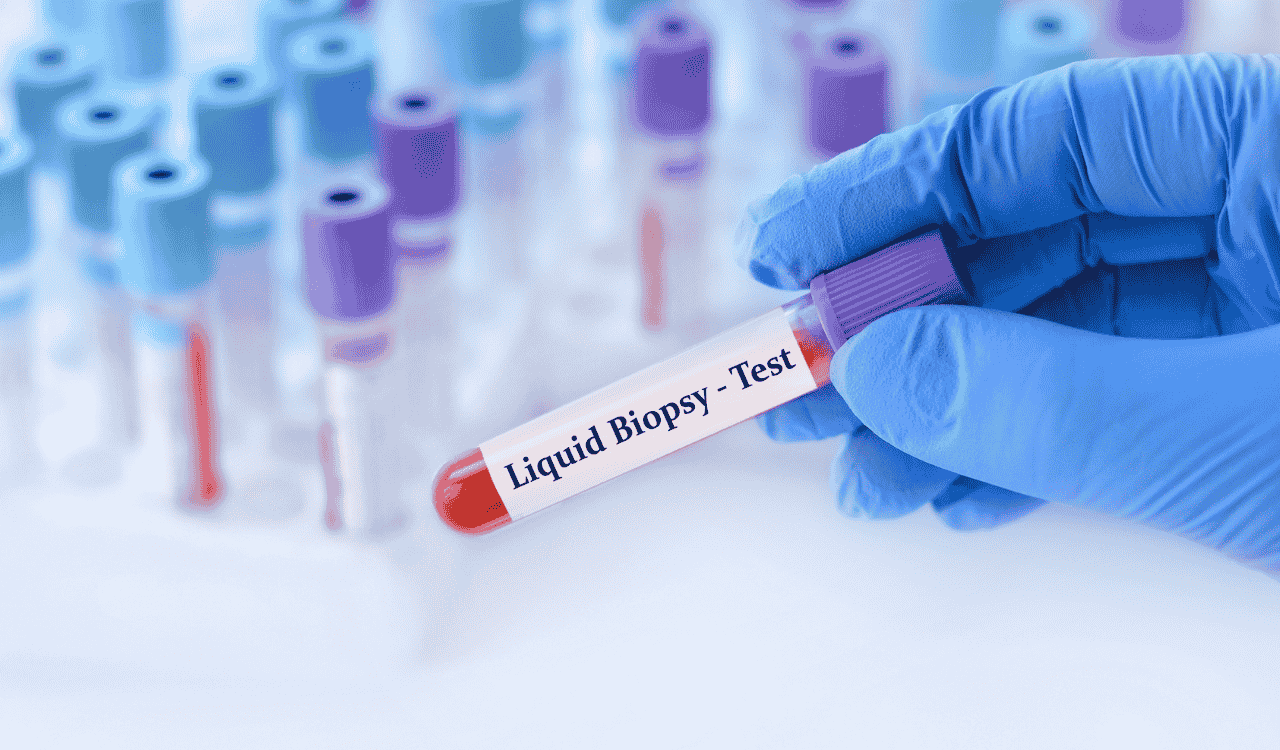
Liquid Biopsy for Neurodegenerative Diseases
The human brain, an organ of unparalleled complexity, remains one of science’s most profound frontiers. When its intricate network succumbs to the relentless march of neurodegenerative diseases (NDDs)—conditions like Alzheimer’s disease, Parkinson’s disease, multiple sclerosis, and amyotrophic lateral sclerosis—the impact is devastating, both for individuals and society. These diseases represent a growing global health crisis, with neurological conditions affecting a staggering 43% of the world’s population in 2021, a burden that has increased by over 18% since 1990 source text. For decades, diagnosis has been a challenging endeavor, often relying on clinical assessments, expensive and sometimes inaccessible neuroimaging techniques, and invasive procedures like cerebrospinal fluid (CSF) analysis. Critically, these methods frequently fail to detect pathology until significant, irreversible neuronal damage has occurred, thereby limiting the crucial window for effective therapeutic intervention. This diagnostic delay underscores the urgent need for accessible, sensitive, and specific tools capable of detecting NDDs at their nascent stages.
Enter the revolutionary potential of liquid biopsy. This minimally invasive diagnostic approach, analyzing biomarkers circulating in bodily fluids, is poised to redefine how we understand, diagnose, and manage neurological diseases. At the forefront of this paradigm shift are the insights emanating from the International Society for Extracellular Vesicles (ISEV) journals, which are charting the course for cutting-edge research in this dynamic field.
The ISEV Perspective: Guiding the Cutting Edge of Neurodegenerative Research

Extracellular vesicles (EVs) from diseased brain cells can traverse the blood-brain barrier, carrying molecular signals into the peripheral bloodstream where they can be detected via a simple blood test.
The International Society for Extracellular Vesicles (ISEV) has emerged as a pivotal force in advancing our understanding of intercellular communication, particularly through the lens of extracellular vesicles (EVs). ISEV journals have become the authoritative platform for disseminating groundbreaking research that is directly shaping the future of neurodegenerative disease diagnostics. For NDDs, ISEV’s influence has catalyzed a deeper appreciation for how EVs, secreted by brain cells, serve as crucial messengers carrying molecular signals reflective of disease states. These EVs are not merely passive byproducts of cellular stress; they are active participants in the intricate network of brain–periphery communication. The consistent flow of research published under ISEV’s guidance illuminates the mechanisms by which EVs traverse the blood-brain barrier, becoming detectable in peripheral blood. This continuous stream of knowledge from ISEV is instrumental in identifying and validating novel biomarkers, accelerating the journey from basic research to clinically applicable diagnostic tools for a wide spectrum of neurological diseases.
The Challenge of Current NDD Diagnosis: Why Novel Approaches are Imperative
The insidious nature of neurodegenerative diseases presents a profound diagnostic hurdle. These debilitating conditions often unfold over years, even decades, with initial symptoms frequently being subtle and easily dismissed as normal aging. By the time overt clinical manifestations emerge and traditional diagnostic methods are employed—such as neurological examination, brain imaging, or analysis of cerebrospinal fluid (CSF)—the underlying neurodegenerative process has frequently advanced to a point where significant and irreversible neuronal loss has already occurred. This delay in diagnosis severely curtails the opportunity for timely intervention and the potential implementation of disease-modifying therapies, which are most effective when initiated in the earliest stages of the disease. Consequently, there is an imperative need for accessible, sensitive, and specific diagnostic tools that can identify NDDs at their earliest, often asymptomatic, phases. Liquid biopsy, with its promise of minimally invasive detection, offers a compelling solution to this critical unmet need, potentially democratizing diagnosis and accelerating research breakthroughs.
Limitations of Traditional Diagnostic Methods (Cerebrospinal Fluid, CSF samples, imaging techniques, neuroimaging, brain tissue)
Traditional diagnostic approaches for neurodegenerative disorders, while historically essential, are intrinsically limited. Cerebrospinal Fluid (CSF) analysis, a cornerstone of diagnosing conditions like Alzheimer’s disease and multiple sclerosis, necessitates an invasive lumbar puncture. This procedure carries inherent risks, including post-dural puncture headaches, infection, and bleeding, and can be deeply uncomfortable for patients. Moreover, CSF biomarkers may not always accurately reflect localized pathological processes within the brain. Neuroimaging techniques, such as magnetic resonance imaging (MRI) and positron emission tomography (PET) scans, are invaluable for visualizing structural changes and detecting hallmark pathologies like β-amyloid deposits and tau tangles. However, these methods are often expensive, require specialized infrastructure, and typically reveal abnormalities only in later disease stages when substantial neuronal loss has already occurred. Definitive diagnosis, which historically relied on the direct examination of brain tissue, is unfortunately only feasible post-mortem, limiting its clinical utility for real-time patient management.
The Blood-Brain Barrier: A Formidable Diagnostic Hurdle (blood-brain barrier, brain–periphery communication)
A significant obstacle in leveraging peripheral samples for the diagnosis of central nervous system (CNS) disorders is the formidable blood-brain barrier (BBB). This highly specialized physiological barrier, a complex interplay of endothelial cells, astrocytes, pericytes, and glial cells, meticulously regulates the passage of substances from the bloodstream into the brain, acting as a critical protective shield against toxins, pathogens, and immune cells. While indispensable for maintaining the delicate homeostasis of the CNS, the BBB renders direct detection of brain-specific molecules or pathological changes in peripheral circulation exceptionally challenging. However, the groundbreaking research championed by ISEV and others is progressively unraveling intricate mechanisms of brain–periphery communication. This vital dialogue involves the release of signaling molecules, metabolites, and critically, extracellular vesicles (EVs) from the brain into the periphery. Understanding these communication pathways is paramount for developing liquid biopsy strategies that can effectively circumvent the BBB and extract meaningful diagnostic information.
Extracellular Vesicles (EVs): The Brain’s Silent Messengers in Liquid Biopsy
Extracellular vesicles (EVs) have rapidly ascended to prominence as pivotal players in the realm of liquid biopsy for neurodegenerative diseases. These nanoscale, lipid bilayer-enclosed particles are ubiquitously secreted by nearly all cell types, including the neurons and glial cells residing within the brain. Their fundamental role is to act as sophisticated delivery vehicles, transporting a diverse molecular cargo—comprising proteins, lipids, messenger RNAs (mRNAs), and microRNAs (miRNAs)—between cells. In the context of neurodegeneration, EVs released by compromised or stressed brain cells can encapsulate specific molecular signatures that betray the underlying pathology. These disease-laden EVs can then navigate the blood-brain barrier through various intricate mechanisms, or enter the cerebrospinal fluid, eventually making their way into the bloodstream. The capacity to isolate and analyze the specific molecular content of these circulating EVs offers an unprecedented and minimally invasive window into the pathological processes occurring deep within the brain, making them a cornerstone of advanced diagnostic efforts.
Promising Biomarkers for Neurodegenerative Diseases: An ISEV-Driven Perspective
The true power of liquid biopsy in the diagnosis and management of neurodegenerative diseases (NDDs) lies in the identification and meticulous analysis of specific, quantifiable biomarkers. These molecular indicators serve as crucial signals, capable of revealing the presence, stage, severity, and progression of a neurodegenerative disorder. Research championed and disseminated through ISEV journals has been instrumental in identifying several key classes of biomarkers that hold immense diagnostic and prognostic potential.
Among these are fragments of cell-free DNA (cfDNA), which are released into the bloodstream from dying cells. While some cfDNA originates from peripheral tissues, a crucial frontier in NDD research is the identification of brain-derived cfDNA. This specific fraction can provide invaluable information about neuronal damage, genetic mutations, or aberrant epigenetic alterations occurring within the brain. The analysis of DNA methylation patterns within cfDNA, a key focus of epigenetic research, is proving particularly potent. Aberrant DNA methylation can lead to the inappropriate silencing or activation of genes critical for neuronal function, making it a sensitive indicator of disease.
Furthermore, the focus on extracellular vesicles (EVs) cannot be overstated. ISEV-aligned research is meticulously characterizing the cargo of these vesicles, including a rich array of extracellular RNA (ExRNA) species. Exosomal microRNAs (exosomal miRNAs) and Exosomal Long Non-Coding RNAs (like Long non-coding RNA MEG3) are particularly significant. These small RNA molecules can regulate gene expression in recipient cells and their specific profiles within EVs can mirror the pathological state of the parent cell. The isolation of Neuronal-Derived EV Biomarkers is a critical advancement, offering a more direct reflection of neural tissue health and pathology than EVs derived from other cell types.
Other emerging biomarker classes, such as specific proteins (e.g., neurofilament proteins, p-tau burden) and circulating cells, are also being explored. The concept of circular DNA, while less studied in NDDs compared to cfDNA, represents another potential area for future exploration. Identifying disease-specific markers is paramount, and the collaborative efforts driven by ISEV are accelerating the discovery and validation of these crucial molecular clues.
Other Emerging Biomarker Classes (metabolites, proteomics)
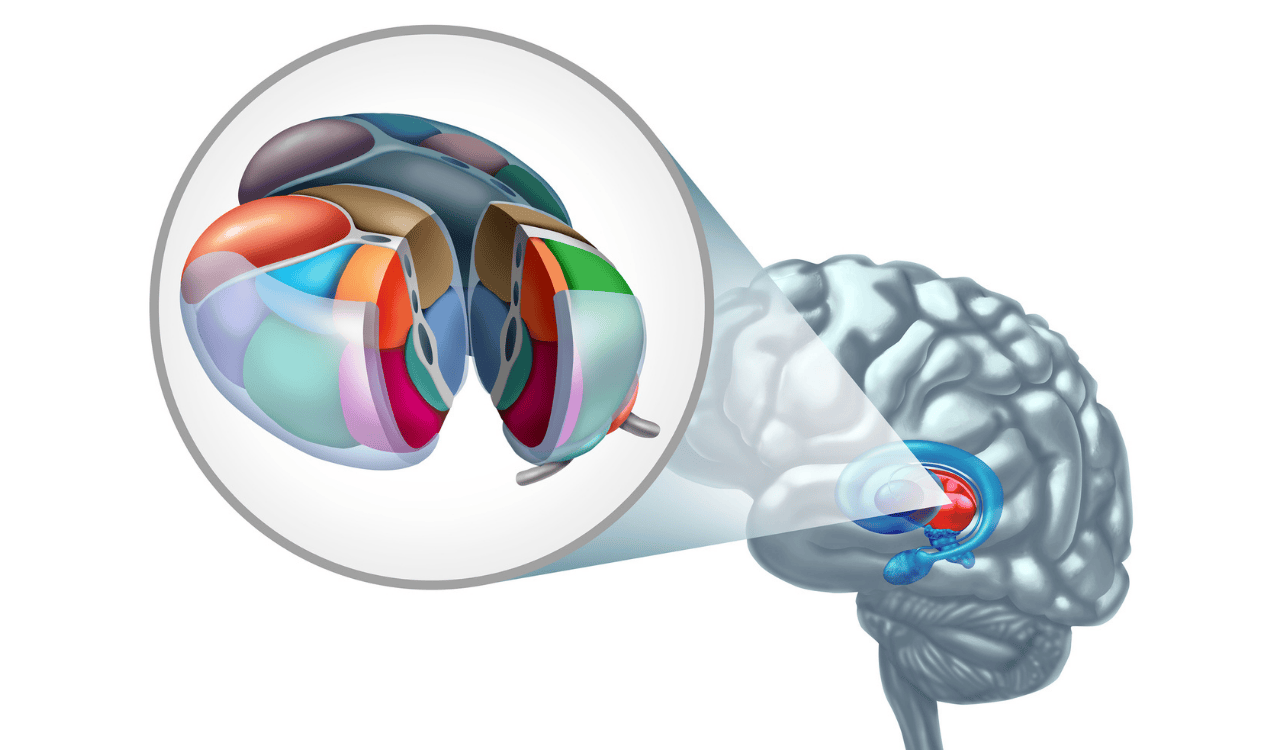
Beyond the well-established categories of cfDNA and various RNA species, the landscape of liquid biopsy biomarkers is continuously expanding. Researchers are increasingly investigating metabolites—small molecules intricately involved in cellular processes—as potential indicators of the metabolic dysfunction that characterizes many neurodegenerative diseases (NDDs). Subtle shifts in the levels of specific amino acids, lipids, or neurotransmitter precursors within blood or cerebrospinal fluid (CSF samples) could signal early neurodegenerative events, particularly those impacting energy metabolism or specific brain regions like the hippocampus, which is heavily affected in conditions such as Alzheimer’s disease.
Furthermore, proteomics, the comprehensive study of proteins, offers another promising avenue. The protein profile within circulating extracellular vesicles or plasma can reveal alterations in crucial signaling pathways, the presence of inflammatory markers, or the accumulation of misfolded proteins intimately associated with specific NDDs. These multifaceted approaches, combining different biomarker classes, are essential for building a robust diagnostic picture and improving our understanding of the complex biological underpinnings of these disorders, moving towards more precise early disease diagnosis.

Case Study: PRLHR Methylation – A Pioneering Epigenetic Biomarker in Alzheimer’s Disease from ISEV-Aligned Research
A compelling testament to the diagnostic potential of liquid biopsy in neurodegenerative diseases (NDDs) stems from pioneering research into DNA methylation, particularly within the context of Alzheimer’s disease (AD). Studies aligned with the principles of EV research and epigenetic profiling have identified specific methylation patterns in peripheral circulating cell-free DNA (ccfDNA) that correlate strongly with AD pathology. One such significant marker is the methylation status of the PRLHR gene promoter.
Research, often featuring within publications aligned with ISEV’s scope, suggests that aberrant DNA methylation in the PRLHR gene promoter region—a gene implicated in critical brain functions—can be detected in the blood of AD patients. This specific epigenetic alteration is believed to mirror underlying neuropathological changes within the central nervous system, potentially including alterations in the hippocampus and other brain regions vital for memory and heavily impacted by AD. The ability to detect such brain-specific epigenetic changes through non-invasive means, such as analyzing cfDNA from blood plasma, represents a significant stride towards a practical epigenetic biomarker for early AD detection, enabling a deeper understanding of neurofibrillary pathology without direct access to brain tissue.
The Role of Epigenetics in Neurodegeneration (DNA methylation, epigenetic biomarker)
Epigenetics, the study of heritable changes in gene expression that occur without altering the underlying DNA sequence, plays a critical role in the pathogenesis of neurodegeneration. DNA methylation, one of the most extensively studied epigenetic mechanisms, involves the addition of a methyl group to a cytosine base in DNA, frequently leading to gene silencing. Within the brain, epigenetic modifications are fundamental for neuronal development, synaptic plasticity, and the maintenance of cellular function. Aberrant DNA methylation patterns have been implicated in the pathogenesis of various NDDs, including Alzheimer’s disease and Parkinson’s disease, by causing the inappropriate silencing or activation of genes crucial for neuronal survival, protein homeostasis, and inflammatory responses. Identifying specific epigenetic biomarkers, such as differential DNA methylation profiles in circulating DNA or within EVs, offers a powerful tool for unlocking insights into these complex disease processes. This approach moves beyond genetic predisposition to capture environmentally or functionally induced changes that reflect ongoing neuronal stress and pathology, contributing to early detection strategies.
Enabling Technologies and Advanced Analytics for Liquid Biopsy in NDDs
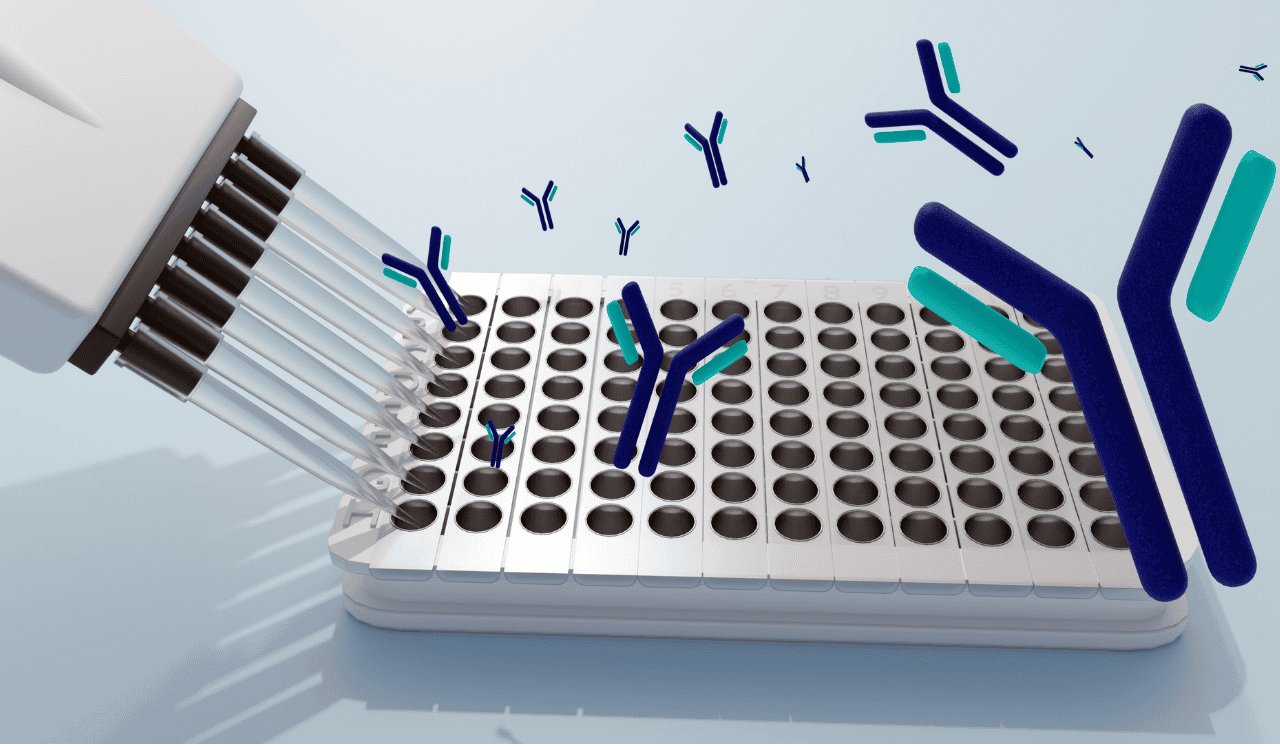
The successful implementation and clinical translation of liquid biopsy for neurodegenerative diseases (NDDs) hinge critically on sophisticated technological advancements and powerful analytical tools. Beyond unlocking the biological insights held within bodily fluids, the ability to reliably detect, quantify, and interpret the vast molecular information present in samples like blood plasma and cerebrospinal fluid (CSF samples) is paramount. This necessitates robust methods for isolating specific analytes, such as extracellular vesicles and cell-free DNA, with high purity and yield. Downstream analysis platforms must be exquisitely sensitive and specific to capture the low-abundance molecules indicative of early-stage disease. Furthermore, the complexity of NDD pathology means that often a single biomarker is insufficient. Therefore, technologies that enable multiplexed analysis, detecting multiple biomarkers simultaneously, are increasingly important. These technological enablers are the foundation upon which reliable liquid biopsy assays are built, paving the way for more accurate early disease diagnosis.
The Indispensable Role of Advanced Bioinformatics (advanced bioinformatics, genomics, metabolomics, transcriptomics)
Crucially, the sheer volume and inherent complexity of data generated from liquid biopsies necessitate the pervasive use of advanced bioinformatics. Comprehensive genomics, metabolomics, and transcriptomics analyses are applied to decipher the intricate molecular profiles derived from patient samples. Machine learning algorithms and artificial intelligence (AI) are increasingly being employed to identify subtle patterns and correlations within these datasets that might elude traditional statistical methods. For instance, AI can be instrumental in distinguishing between various types of NDDs based on complex biomarker signatures or predicting disease progression trajectories, contributing significantly to establishing disease prognosis. The ability to process and interpret this data effectively is essential for transforming raw molecular information into actionable diagnostic and prognostic insights, fundamentally reshaping our approach to understanding and managing neurodegenerative diseases. This computational power is also key to exploring novel transfer RNA and circular DNA elements as potential biomarkers.
Applications Across the Spectrum of Neurodegenerative Diseases (NDDs)
The promise of liquid biopsy extends far beyond the most prevalent neurodegenerative diseases like Alzheimer’s disease and Parkinson’s disease. Its potential applications span the entire spectrum of NDDs, offering hope for earlier and more accurate diagnosis and monitoring for a wider range of debilitating conditions.
In Multiple Sclerosis (MS), a chronic autoimmune disease affecting the central nervous system, liquid biopsy could potentially aid in differentiating disease subtypes, monitoring inflammatory activity, and assessing treatment response by analyzing biomarkers within extracellular vesicles or cell-free DNA. For Amyotrophic Lateral Sclerosis (ALS), characterized by progressive motor neuron degeneration, achieving an early and accurate diagnosis is critical for initiating timely supportive care and enrolling patients in clinical trials. Liquid biopsy biomarkers could help distinguish ALS from other neuromuscular disorders, offering a non-invasive alternative to current diagnostic pathways.
Furthermore, liquid biopsy shows promise in monitoring traumatic brain injury (TBI) and assessing its long-term consequences, potentially by detecting specific protein fragments or EV cargo indicative of neuronal damage. Even in less common neurodegenerative disorders, the identification of unique molecular signatures circulating in bodily fluids could unlock new diagnostic avenues. The investigation of Neurological Diseases more broadly, including rare conditions, benefits from the adaptable nature of liquid biopsy platforms, which can be tailored to search for various disease-specific markers.
Parkinson’s Disease: Unraveling Complexities (Parkinson’s disease, exosomal microRNA)
Parkinson’s disease (PD), a common neurodegenerative disorder primarily affecting motor function, presents a significant diagnostic challenge, often being confirmed only after substantial dopaminergic neuron loss has occurred in the substantia nigra. Liquid biopsy offers a promising avenue for earlier detection. Research highlighted in journals aligned with ISEV’s focus has identified specific exosomal microRNA signatures in the blood of PD patients that differ significantly from healthy controls. These circulating miRNAs, encapsulated within extracellular vesicles, can reflect the pathological processes occurring in the affected brain regions. Analyzing these exosomal miRNAs could lead to a non-invasive diagnostic test, enabling intervention at an earlier, more treatable stage of the disease and facilitating research into the underlying mechanisms of PD.
Challenges, Limitations, and Future Directions for Liquid Biopsy in NDDs
Despite the immense promise and rapid advancements in liquid biopsy for neurodegenerative diseases (NDDs), its widespread clinical adoption is not without significant challenges. To transition from promising research findings to reliable clinical tools, substantial hurdles must be overcome to ensure the reproducibility, specificity, and sensitivity of these diagnostic approaches.
Overcoming Methodological Hurdles and Ensuring Robustness (clinical validation, blood-brain barrier)
A primary challenge lies in the rigorous requirement for robust clinical validation. While numerous studies have identified promising biomarkers, many of these findings originate from relatively small patient cohorts and require validation in larger, more diverse, and prospective longitudinal studies. Ensuring the specificity and sensitivity of these biomarkers is paramount, particularly for differentiating between various NDDs and accurately distinguishing true disease pathology from normal aging or other concurrent neurological conditions. The inherent complexity of the blood-brain barrier continues to be a focal point, with ongoing research dedicated to developing methods that can reliably capture and interpret brain-specific signals from peripheral samples. Furthermore, achieving standardization across pre-analytical processes (such as sample collection and storage) and analytical techniques among different laboratories is crucial for ensuring the reproducibility of results and facilitating collaborative research. The analysis of circulating cells, alongside cfDNA and EVs, adds another layer of complexity to standardization efforts.
Emerging Trends and Technologies from ISEV and Beyond
The field of liquid biopsy for neurodegenerative diseases is undergoing rapid evolution, propelled by continuous technological innovation and a deepening understanding of disease mechanisms. ISEV’s ongoing commitment to standardizing EV research, for instance, directly addresses the critical need for robust and reproducible methodologies across laboratories worldwide. Advances in single-cell analysis and multi-omic integration are enabling more comprehensive profiling of liquid biopsy samples, moving beyond single-analyte approaches. The development of point-of-care diagnostic devices also holds the potential to make liquid biopsy more accessible for routine clinical use, bringing advanced diagnostics closer to patients. Furthermore, ongoing research into the nuanced roles of extracellular vesicles in mediating brain–periphery communication is consistently uncovering novel targets and refining our understanding of how central nervous system pathology manifests peripherally, impacting diagnostics for various Neurological Diseases.
The ISEV Advantage: Accelerating Breakthroughs in Neurodegenerative Diagnostics
The International Society for Extracellular Vesicles (ISEV) plays a pivotal role in accelerating breakthroughs in neurodegenerative diagnostics. By providing a dedicated, high-impact platform for the dissemination of cutting-edge research on EVs and their role in disease, ISEV fosters collaboration and champions rigorous scientific standards. This focused approach is directly translating into the identification of novel biomarkers for conditions like Alzheimer’s disease and Parkinson’s disease, paving the way for improved diagnostic tools and a deeper understanding of these complex disorders.
Fostering Innovation in Extracellular Vesicle Research for NDDs
ISEV’s steadfast emphasis on extracellular vesicle research is particularly relevant to the challenges posed by NDDs. EVs are increasingly recognized as rich sources of biomarkers, carrying a diverse molecular cargo that accurately reflects cellular health and disease states. ISEV’s commitment to defining EV subtypes, meticulously characterizing their cargo (including exosomal microRNA, Exosomal Long Non-Coding RNA, and proteins), and standardizing their isolation techniques ensures that research in this area is both innovative and reproducible. This focused approach is directly translating into the identification of novel biomarkers for conditions like Alzheimer’s disease and Parkinson’s disease, accelerating the development of improved diagnostic tools and contributing to a deeper understanding of neurodegenerative disorder mechanisms.
From Bench to Bedside: ISEV’s Translational Impact
The ultimate goal of liquid biopsy research in neurodegenerative diseases (NDDs) is its translation from the laboratory bench to the patient’s bedside, enabling tangible improvements in patient care. ISEV actively facilitates this translational impact by promoting research that bridges fundamental biology with clinical application. By encouraging studies that rigorously investigate the diagnostic and prognostic value of EV-derived biomarkers, cell-free DNA, and other analytes in human cohorts, ISEV is directly contributing to the development of clinically viable diagnostic tests for NDDs. Their work ensures the scientific community is moving methodically towards practical solutions that can improve patient care through early detection and the advancement of precision medicine.
Conclusion: A New Era for Neurodegenerative Disease Management
The journey to effectively diagnose and manage neurodegenerative diseases (NDDs) is undergoing a profound transformation, largely propelled by the remarkable advancements in liquid biopsy. This minimally invasive diagnostic approach, which analyzes accessible bodily fluids like blood and cerebrospinal fluid, holds immense promise for detecting disease at its earliest stages, long before irreversible damage occurs. The research fostered and published by the International Society for Extracellular Vesicles (ISEV) has been foundational, particularly in illuminating the role of extracellular vesicles as critical carriers of disease-specific biomarkers.
Summarizing the Transformative Promise of Liquid Biopsy
From analyzing cell-free DNA and its associated DNA methylation patterns to deciphering the complex cargo of exosomal microRNA and other molecules within EVs, liquid biopsy offers a multifaceted and powerful approach to understanding neurological diseases. It provides a means to circumvent the formidable challenge of the blood-brain barrier and capture critical insights into brain tissue pathology through brain–periphery communication. The potential to identify distinct disease-specific markers for conditions ranging from Alzheimer’s disease and Parkinson’s disease to multiple sclerosis, amyotrophic lateral sclerosis, traumatic brain injury, and other neurodegenerative disorders signifies a revolutionary shift in diagnostic capabilities, moving us closer to early disease diagnosis. The integration of novel analytes like circular DNA and transfer RNA will further expand these capabilities.
The Enduring Impact of ISEV Journals on Neurodegenerative Diagnostics
The ISEV Journals have been indispensable in driving progress within this field, providing a rigorous platform for the dissemination of knowledge on EVs and their intricate role in disease pathogenesis. Their consistent emphasis on standardization and the exploration of diverse biomarker classes, including extracellular vesicles and their molecular payload, directly fuels the development of more accurate and sensitive diagnostic tools for neurodegenerative diseases. This sustained focus ensures the scientific community can reliably build upon these critical discoveries, translating them into tangible clinical benefits. The insights into epigenetic biomarkers are particularly impactful.
A Future of Hope and Precision for Patients (early disease diagnosis, precision medicine)
Ultimately, the development and widespread adoption of liquid biopsy herald a future defined by greater hope and precision medicine for patients battling neurodegenerative diseases. The ability for early disease diagnosis will empower clinicians to intervene sooner, potentially slowing disease progression, mitigating symptoms, and significantly improving the quality of life for affected individuals. Furthermore, liquid biopsy holds the potential to enable personalized treatment strategies, precisely tailored to an individual’s specific disease profile and molecular signature, facilitating true personalized healthcare. As research continues, guided by organizations like ISEV, liquid biopsy is poised to redefine the landscape of neurodegenerative disease management, moving us toward a future where these conditions are detected, understood, and treated with unprecedented accuracy and efficacy, representing a significant leap in health applications.
Leave a Reply