


Neurodex 2025: Advancing ALS Biomarker Discovery for Better Outcomes
ALS Biomarker – Amyotrophic lateral sclerosis (ALS) is a relentless neurodegenerative disease that progressively strips individuals of their ability to control voluntary muscles, leading to paralysis and eventual fatality. Despite its severity, the path to a definitive diagnosis is often slow and fraught with uncertainty, typically taking over a year from the first onset of symptoms. This delay represents a critical lost window for potential intervention and clinical trial enrollment. While ALS is diagnosed each year in about 1.7 to 2.2 out of every 100,000 people, the diagnostic journey remains one of exclusion rather than direct confirmation. The urgent need for objective, early-stage biomarkers has never been greater. At the heart of this challenge is a protein called TDP-43, a key pathological driver in the vast majority of ALS cases. Neurodex is at the forefront of this critical field, developing a revolutionary neurodiagnostic platform to accelerate the discovery of TDP-43 biomarkers, transforming the future of ALS detection and treatment.
The Urgent Need for Early Detection in Amyotrophic Lateral Sclerosis (ALS)
The Devastating Impact of ALS: A Rapidly Progressive Neurodegenerative Disease
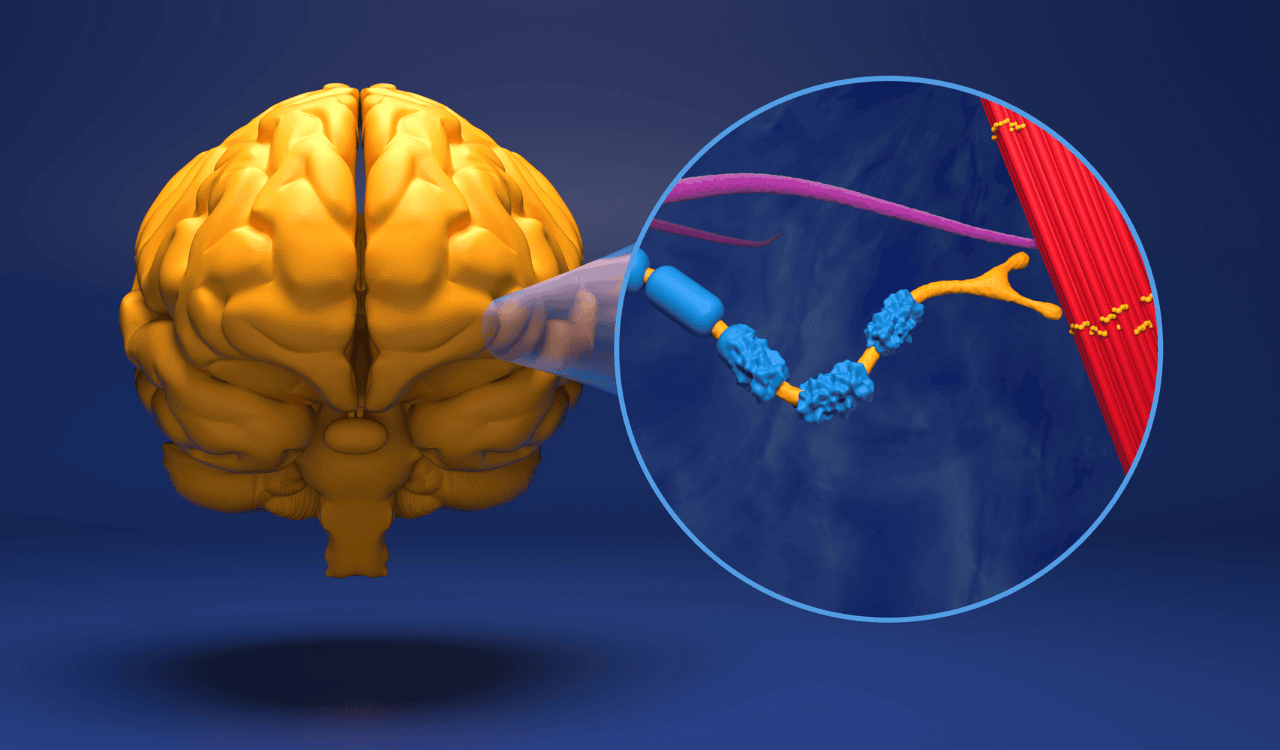
Amyotrophic lateral sclerosis is a neurodegenerative disorder characterized by the progressive loss of motor neurons in the brain and spinal cord. As these neurons degenerate, the brain’s ability to initiate and control muscle movement is lost. Patients experience worsening muscle weakness, affecting their ability to speak, eat, move, and ultimately, breathe. The rapid progression of this neurodegeneration makes ALS a particularly devastating diagnosis for patients and their families, underscoring the critical importance of advancing research and clinical support.
Current Diagnostic Challenges: The Delay in Accurate Diagnosis and its Consequences
Currently, no single test can definitively diagnose ALS. Clinicians rely on a complex process of exclusion, conducting extensive neurological exams and tests to rule out other conditions that mimic ALS symptoms. This process is time-consuming, often leading to a diagnostic delay of 12-18 months. This lag is more than just a waiting period; it’s a period of progressing neurodegeneration where therapeutic interventions, if available, would be most effective. With the population over 65 projected to see a 25% increase in ALS cases by 2030, the need for faster, more accurate diagnostic tools is becoming an urgent public health priority.
The Critical Role of Biomarkers: Paving the Way for Timely Intervention and Improved Patient Outcomes
Biomarkers—measurable indicators of a biological state or condition—are the key to overcoming these diagnostic hurdles. An effective biomarker could provide an objective, definitive sign of ALS at its earliest stages. Such a tool would not only shorten the diagnostic odyssey but also enable patient stratification for clinical trials, monitor disease progression, and assess treatment response. The success of other biomarkers in neurology, such as how Neurofilament light chain (NfL) measurements could predict ALS progression with 85% accuracy in a 2022 trial, demonstrates the transformative potential of this approach. For ALS, the most promising target for a specific and sensitive biomarker is TDP-43.
TDP-43: A Central Pathological Driver in ALS and Related Neurodegenerative Diseases
Understanding TDP-43: Its Normal Function as an RNA-Binding Protein
Normally, TAR DNA-binding protein 43 (TDP-43) resides in the cell nucleus, where it plays a vital role as an RNA-binding protein. It is essential for regulating gene expression, RNA processing, and other critical cellular functions. The proper function and location of TDP-43 are indispensable for maintaining the health and viability of neurons. Disruption of these normal processes is a central event in the cascade of neurodegeneration.
The Hallmarks of TDP-43 Proteinopathy: Aggregation, Mislocalization, and C-terminal Fragments
In over 97% of ALS cases, TDP-43 undergoes a pathological transformation. It moves from the nucleus into the cytoplasm, where it forms dense, insoluble aggregates. This mislocalization causes a dual problem: a loss of its essential function in the nucleus and a toxic gain-of-function in the cytoplasm, where the aggregates disrupt cellular processes. Pathological TDP-43 is often modified through processes like phosphorylation and is cleaved into smaller, aggregation-prone C-terminal fragments, which are hallmarks of this proteinopathy.
Why TDP-43 is a Crucial Target for ALS Biomarker Discovery (including relevance to Frontotemporal Lobar Degeneration – FTLD)
The near-universal presence of TDP-43 pathology in ALS makes it an ideal biomarker target. Its central role is further cemented by the fact that mutations in the TARDBP gene, which codes for TDP-43, are a direct cause of familial ALS. In fact, mutations in the C9orf72, SOD1, TARDBP and FUS genes account for up to 70% of familial ALS cases in some populations. Furthermore, this same TDP-43 pathology is found in approximately 50% of cases of frontotemporal dementia (FTD), a related neurodegenerative disease often overlapping with ALS. This shared pathology establishes TDP-43 as a unifying target for a significant spectrum of neurodegenerative disorders, including FTLD.

Neurodex’s Breakthrough: Accelerating TDP-43 Biomarker Discovery Through an Advanced Neurodiagnostic Platform
The Neurodex Advantage: Speed, Unprecedented Sensitivity, and Specificity in Detection
Neurodex is pioneering a solution designed to overcome the traditional barriers in biomarker research. Our platform provides an unparalleled combination of speed, sensitivity, and specificity. By focusing on direct, non-invasive methods, we significantly shorten the timeline from sample collection to data analysis. This efficiency allows researchers and clinicians to obtain crucial insights faster, accelerating the entire pipeline of discovery, validation, and clinical application for a growing number of biomarkers.
Our Proprietary Neurodiagnostic Platform: A Paradigm Shift in Neurodegeneration Research
Our technology is built on a proprietary platform that facilitates a “liquid biopsy” for the brain. Using a small sample of blood, we can isolate and analyze neuron-derived exosomes (NDEs)—tiny vesicles shed by neurons that cross the blood-brain barrier. These NDEs carry a cargo of proteins, RNA, and other molecules that directly reflect the health and pathological state of their parent neurons, providing a real-time window into the central nervous system.
How Neurodex Addresses the “Acceleration Gap” in ALS and Neurodegenerative Disease Biomarker Identification
The development of reliable biomarkers has historically been a slow, incremental process. Neurodex directly addresses this “acceleration gap.” Our platform streamlines the most challenging steps: accessing brain-specific pathology from a peripheral fluid and detecting minute quantities of pathological proteins. By providing a robust, scalable, and highly sensitive assay system, our expert team empowers researchers to validate targets like TDP-43 more efficiently than ever before, speeding up the development of diagnostics and therapeutics for ALS and other neurodegenerative diseases.
Precision Targeting: Unveiling Specific TDP-43 Forms for Early and Accurate Detection
Identifying Pathological TDP-43: Focus on Phosphorylated TDP-43 and its Significance
Not all TDP-43 is the same. In its pathological state, the protein undergoes post-translational modifications, with phosphorylation being a key indicator of disease. Detecting phosphorylated TDP-43 (pTDP-43) is critical because it specifically flags the disease-associated form of the protein. The Neurodex platform is engineered to develop assays with the specificity to distinguish these pathological variants from their healthy counterparts, a crucial feature for an accurate diagnostic biomarker.
The Importance of Detecting TDP-43 Aggregates and Seeding-Competent TDP-43
The aggregation of TDP-43 is the primary toxic event in the disease process. These aggregates can act as “seeds,” promoting the misfolding of healthy TDP-43 in a prion-like cascade that spreads neurodegeneration. A truly effective early diagnostic must be able to detect not just the presence of TDP-43 but also these seeding-competent aggregates. Our high-sensitivity assays are being developed to identify these early pathogenic species, offering the potential for detection long before significant neuronal loss and clinical symptoms appear.
Decoding TDP-43’s Dysfunctional Role: Insights into RNA Metabolism and Stress Granule Dynamics
The loss of TDP-43 from the nucleus and its aggregation in the cytoplasm severely disrupts RNA metabolism, leading to widespread cellular dysfunction. TDP-43 is also a key component of stress granules, which are cellular compartments that form in response to stress. In disease, these dynamics become abnormal, and TDP-43 becomes persistently trapped. Our platform provides the tools to measure these downstream effects, offering a more complete picture of TDP-43’s dysfunctional role and providing additional avenues for biomarker discovery.
The Power of Liquid Biopsy: Accessing Brain Pathology from Peripheral Biofluids
Overcoming the Blood-Brain Barrier: The Promise of Non-Invasive Blood Biomarkers
The blood-brain barrier is a formidable obstacle, protecting the brain but also isolating it from conventional diagnostic methods. Historically, accessing brain pathology required invasive procedures like lumbar punctures to collect cerebrospinal fluid (CSF) or post-mortem tissue analysis. The ability to detect brain-specific biomarkers in a peripheral blood sample represents a monumental leap forward, making diagnostics safer, more accessible, and suitable for routine monitoring.
Neuron-Derived Exosomes: A Direct Window into Brain-Specific TDP-43 Pathology
Neuron-derived exosomes (NDEs) are the key to this non-invasive approach. These small vesicles are continuously released by neurons and encapsulate a sample of the cell’s interior, including pathological proteins like aggregated and phosphorylated TDP-43. Because they can cross the blood-brain barrier and circulate in the bloodstream, NDEs serve as a direct, real-time biological signal from the affected cells in the brain, offering an unprecedented window into the neurodegeneration process.
Expanding Diagnostic Reach: The Advantages of Utilizing Cerebrospinal Fluid (CSF) and Other Biofluids
While our primary focus is on the transformative potential of blood-based biomarkers, our versatile platform also provides robust support for analyzing other biofluids. Cerebrospinal fluid remains a valuable source for biomarker discovery, as it is in direct contact with the central nervous system. Neurodex’s technology can be applied to CSF samples to provide highly sensitive measurements, complementing our blood-based assays and offering researchers a comprehensive toolkit for studying every facet of a neurodegenerative disorder.
Neurodex’s Advanced Biofluid Assays: Cutting-Edge Technologies for TDP-43 Quantification
High-Sensitivity Immunoassays: Leveraging ELISA and Next-Generation Immunoassay Platforms
At the core of our detection capabilities are highly sensitive immunoassays. Building upon established principles like ELISA (Enzyme-Linked Immunosorbent Assay), we utilize next-generation platforms that push the limits of detection to the femtogram level. This extraordinary sensitivity is essential for identifying the vanishingly small quantities of pathological TDP-43 present in blood during the earliest stages of a neurodegenerative disease.
The Precision of Mass Spectrometry for Comprehensive Proteomic Analysis of TDP-43
To complement our immunoassays, we leverage the power of mass spectrometry for deep and unbiased proteomic analysis. This technology allows us to identify and quantify a vast number of proteins simultaneously, including different forms and fragments of TDP-43. Mass spectrometry provides an orthogonal validation method and enables the discovery of novel biomarkers that may have been previously overlooked, adding another layer of precision to our platform.
Developing Targeted Monoclonal Antibodies: Enhancing Specificity and Sensitivity of Biomarker Assays
The performance of any immunoassay is fundamentally dependent on the quality of its antibodies. Neurodex places a strong emphasis on developing highly specific monoclonal antibodies tailored to recognize the unique pathological conformations of TDP-43, including phosphorylated sites and C-terminal fragments. This dedicated effort ensures our assays are not only sensitive but also exquisitely specific, reliably distinguishing disease signals from background noise.
Translating Discovery to Clinical Impact: Empowering Early Intervention and Therapeutic Development
From Research Tool to Clinical Biomarker: The Path to Early Diagnosis and Prognosis
Our ultimate goal is to translate these powerful research tools into validated clinical diagnostics. A reliable TDP-43 biomarker assay could revolutionize the clinical landscape for ALS and FTD, enabling early and definitive diagnosis, providing prognostic information to guide patient care, and identifying at-risk individuals before symptom onset. This transition is critical for shifting the paradigm from reactive to proactive management of neurodegenerative disease.
Monitoring Disease Progression and Assessing Pathway Engagement Biomarkers
Beyond a one-time diagnosis, objective biomarkers are essential for tracking the progression of neurodegeneration over time. Serial measurements using a simple blood test would allow clinicians to monitor a patient’s disease trajectory with quantitative data. For therapeutic development, these assays can serve as pathway engagement biomarkers, confirming that an investigational drug is hitting its intended molecular target within the central nervous system.
Assessing Treatment Response: A Crucial Tool for Clinical Trials and Personalized Medicine
Perhaps the most significant impact of our TDP-43 biomarkers will be in accelerating clinical trials. By providing a quantitative measure of treatment response, these assays can help determine a drug’s efficacy faster and with greater certainty. This capability supports more efficient trial design, reduces costs, and ultimately speeds the delivery of effective therapies to patients. The use of such tools in preclinical mouse models and human trials is vital for advancing personalized medicine.
The Future of ALS Diagnosis: A Vision for Precision Medicine with Neurodex
The journey for ALS patients today is one of uncertainty and delay. Neurodex is committed to changing that narrative. Our vision is a future where a simple blood test can provide a rapid, accurate, and early diagnosis of ALS and related neurodegenerative disorders. By unlocking the secrets held by TDP-43 and other biomarkers, we are building the tools to not only detect disease but also to guide the development of next-generation therapies. We provide critical support to researchers and pharmaceutical partners, empowering them to bring effective treatments to patients faster.
Conclusion
The fight against amyotrophic lateral sclerosis demands a paradigm shift—a move away from slow, exclusionary diagnostics toward rapid, precise, and biologically-driven detection. TDP-43 proteinopathy stands as the central pathological hallmark of ALS and FTD, making it the most critical target for biomarker discovery. Neurodex is meeting this challenge head-on with an advanced neurodiagnostic platform that leverages a non-invasive, blood-based liquid biopsy to access real-time information from the brain. By focusing on ultra-sensitive detection of pathological TDP-43 forms in neuron-derived exosomes, we are accelerating the entire research and development pipeline.
Our work is paving the way for a future where early diagnosis is the norm, clinical trials are more efficient, and personalized treatments are a reality. As investment and innovation in this space grow, reflected by a global amyotrophic lateral sclerosis market projected to reach USD 1.2 billion by 2033, the tools we develop today will become the clinical standards of tomorrow. To learn more about how Neurodex is accelerating the future of neurodiagnostics, we invite you to contact our team.
Research into ALS Biomarkers is crucial for uncovering the underlying mechanisms of ALS and accelerating meaningful progress in diagnosis and treatment. By studying ALS Biomarkers, researchers can better understand why ALS presents differently from patient to patient, improving insights into disease heterogeneity and enabling more personalized care.
Identifying specific ALS Biomarkers helps clinicians categorize patients into biologically relevant subgroups, which supports tailored therapy selection and smarter clinical decision-making. The role of ALS Biomarkers in early diagnosis is especially important, because early detection of ALS has become a top priority in modern research. When ALS is identified earlier, patients may benefit from timely interventions, improved monitoring, and access to emerging therapies and clinical trials.
Beyond diagnosis, ALS Biomarkers provide essential insights that guide future research directions and help scientists design improved therapeutic strategies. Advancements in identifying ALS Biomarkers are already shaping how ALS is studied, and the potential for ALS Biomarkers to predict disease progression is being actively explored. A reliable progression-related ALS Biomarker could help physicians track disease course more accurately and allow researchers to measure treatment response with greater precision.
Clinical trials targeting ALS Biomarkers are critical for evaluating new treatments and accelerating the development of effective therapies. As this field expands, collaboration in ALS Biomarkers research—across laboratories, universities, hospitals, and biotech companies—can significantly speed up clinical applications. Efforts to standardize ALS Biomarkers are equally important, since consistent measurement methods can improve diagnostic accuracy across institutions and strengthen trial reliability.
Understanding the variability of ALS Biomarkers is essential for personalized medicine, especially because ALS Biomarkers may differ between familial ALS and sporadic ALS cases. Recent studies have also focused on the relationship between TDP-43 pathology and ALS Biomarkers, strengthening the scientific understanding of ALS pathology and expanding the role of biomarker-driven neurological assessments.
Today, ALS Biomarkers are becoming an integral part of neurological evaluations, reshaping how clinicians approach ALS diagnosis and patient monitoring. Researchers remain optimistic that breakthroughs in ALS Biomarkers will lead to more effective treatments and higher-quality patient care. Integrating ALS Biomarkers into clinical practice has the potential to enhance patient outcomes by supporting earlier diagnosis, more accurate disease tracking, and better therapy alignment.
Overall, ALS Biomarkers represent a promising frontier in neurodegenerative disease research. Studies on ALS Biomarkers are essential for clarifying disease mechanisms, and the discovery of novel ALS Biomarkers will likely improve diagnostic
.



Leave a Reply