


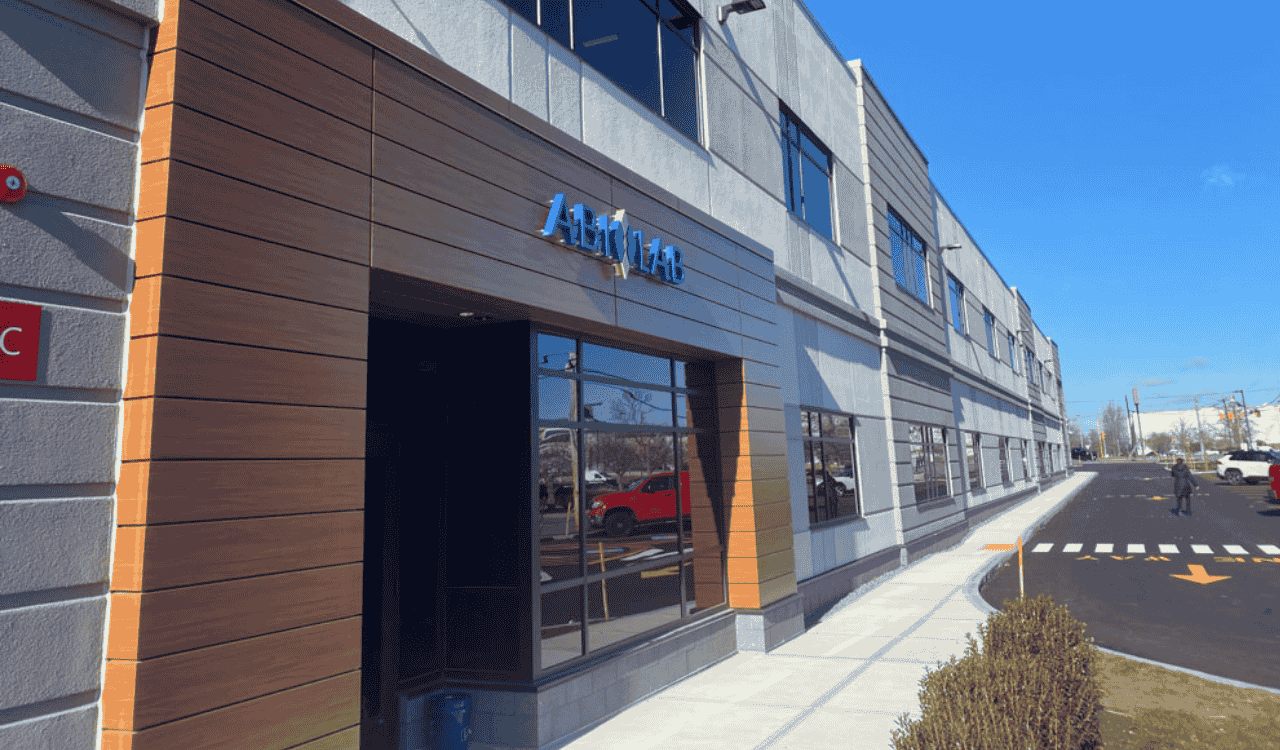
Contract Research Organization Boston: Neurology Trial Partners for Fast Results
Working with a contract research organization in Boston gives you more than just a service provider; it's your entry into an incredibly dense ecosystem of academic, clinical, and biotech resources that are vital for neurology drug development. For biopharma companies, setting up shop with a Boston CRO is a strategic play to tap into world-class talent and infrastructure, moving research from the lab bench to clinical trials faster than you could anywhere else.
Why Boston Is the Hub for Neurology Drug Development

Boston isn’t just a city with a rich history; it’s the undisputed global epicenter for neurotherapeutics. That reputation isn't built on legacy. It's built on a dynamic, interconnected network that is actively pushing the boundaries of neuroscience every single day.
The city’s unique advantage comes from its unmatched concentration of top-tier academic institutions and world-renowned hospitals. This creates a fertile ground where basic research discoveries can quickly translate into clinical applications, fueling a continuous cycle of innovation. For biopharma companies, this means direct access to the latest scientific thinking and the key opinion leaders driving it.
The Power of Proximity and Specialization
The true strength of the Boston ecosystem is just how close everyone is. A sponsor company, a specialized biomarker lab like NeuroDex, and a leading academic medical center can all be within a few square miles of each other. This geographical density fosters a level of collaboration that’s simply not possible elsewhere.
This tight-knit community makes Boston the prime hub for specialized contract research organizations. The US CRO market is already massive, projected to grow from $18.7 billion to over $37 billion by 2035. With North America commanding more than 50% of the global market share, Boston's cluster of over 1,000 life sciences firms puts it squarely at the forefront of this growth, especially in neurology R&D. You can read more in the full market analysis of the expanding US CRO market on marketresearchfuture.com.
Partnering with a Boston CRO isn't just a service transaction; it's a strategic imperative. It provides an entry point into an ecosystem designed to de-risk and accelerate complex neurology drug development pipelines.
Integrating Advanced Biomarkers
Modern neurology trials are completely dependent on sophisticated biomarker platforms to provide deep biological insights. This is where Boston’s specialized CROs truly shine. They have the hands-on expertise to integrate cutting-edge technologies, like neuron-derived exosome (NDE) analysis, directly into clinical workflows.
This integration is absolutely critical for developing treatments for complex diseases like:
- Parkinson's Disease
- Alzheimer's Disease
- Amyotrophic Lateral Sclerosis (ALS)
By working with a local contract research organization in Boston, companies can seamlessly connect their therapeutic programs with advanced biomarker services. This strategic alignment ensures that every stage of development—from patient stratification to pharmacodynamic readouts—is supported by robust, actionable data. This synergy is what transforms a standard clinical trial into a high-precision, data-driven endeavor.
How to Evaluate and Select the Right Boston CRO

Choosing a partner for your neurology trial is one of the most consequential decisions you'll make. The right contract research organization in Boston will feel like a true extension of your team. The wrong one can introduce crippling delays, budget overruns, and data integrity issues that put your entire program at risk.
It's time to move beyond the polished sales pitches and slick brochures. This process isn't about finding a vendor; it’s about identifying a strategic ally. Your due diligence has to be rigorous and focused on tangible proof of their capabilities, especially for complex, biomarker-driven neurology studies.
Start With the Non-Negotiables: Regulatory Compliance and Quality
Before you even think about scientific capabilities, your first filter must be regulatory adherence. For any work involving patient samples that will support a clinical endpoint or key go/no-go decision, certain certifications are simply not optional.
Don’t just take their word for it. Ask to see the documentation.
- GLP (Good Laboratory Practice): This is essential for preclinical safety studies and ensures a baseline of data integrity and quality control.
- CLIA (Clinical Laboratory Improvement Amendments): This is a federal requirement for any U.S. lab testing human specimens to diagnose, prevent, or treat disease. If your biomarker data will inform clinical decisions, CLIA certification is mandatory.
Look beyond the certificates on the wall. Dig into their quality management system (QMS). How do they handle deviations? What does their process for out-of-spec results and corrective/preventive actions (CAPAs) look like? A mature QMS signals a deep-rooted culture of quality, not just a lab that ticks the minimum boxes.
A CRO without verifiable GLP/CLIA compliance for its labs is a non-starter for clinical biomarker work. This is a foundational, make-or-break criterion that protects your data integrity and future regulatory submissions.
Assess Assay Compatibility and True Technical Expertise
Not all CROs are created equal, particularly when you’re working with novel biomarker technologies. A CRO might have decades of experience running traditional ELISAs but have zero familiarity with a specialized platform like neuron-derived exosome (NDE) analysis. You must confirm this technical alignment early to avoid disastrous tech transfer failures down the road. You can see how specialized assays are built by exploring our guide to cell-based assay services.
When you meet with a potential contract research organization in Boston, show up ready to get into the weeds. Don't be afraid to ask detailed technical questions.
A strong partner will welcome this level of scrutiny and have their lead scientists and project managers in the room to provide direct, confident answers. If you’re getting vague responses or the conversation is dominated by sales reps, that’s a major red flag. Your decision must be based on demonstrated expertise, not just promises.
To help structure your conversations, we’ve put together a checklist of key evaluation criteria.
Key Evaluation Criteria for a Boston Neurology CRO
This table provides a systematic way to assess potential partners, moving beyond surface-level claims to verify their true capabilities. Use it to compare CROs and ensure they meet the specific demands of your neurology trial.
| Evaluation Category | Key Questions to Ask | Ideal 'Green Flag' Response |
|---|---|---|
| Neurology Experience | Can you provide case studies or examples of past neurology trials you've supported, specifically in our indication (e.g., Parkinson's, ALS, Alzheimer's)? | They share anonymized data or a detailed case study from a similar trial, highlighting challenges they overcame and the specific outcomes they helped achieve. |
| Biomarker Track Record | What is your experience with our specific biomarkers or analyte types? Describe your pre-analytical sample handling protocols for these markers. | They can point to specific projects, publications, or validation reports. Their scientists discuss sample stability, collection kits, and processing nuances. |
| Platform Familiarity | Have you worked with our specific assay technology (e.g., Simoa, mass spec, NDE workflows)? If not, what is your process for onboarding and validating a new technology? | They either have direct, hands-on experience or present a clear, phased validation plan (including feasibility, optimization, and qualification steps). |
| Sample Logistics | Walk us through your end-to-end plan for sample management—from site collection and shipment to lab receipt, processing, and long-term storage. Can we review a sample SOP? | They provide a detailed Sample Management Plan, discuss their LIMS capabilities, and explain their process for handling shipping excursions and reconciliation. |
| Data & Infrastructure | How will data be captured, secured, and transferred? How does your system integrate with our data management platform? What is your data query resolution process? | They describe a secure, 21 CFR Part 11-compliant system with a clear data flow diagram and a well-defined process for resolving queries with clinical sites. |
Ultimately, finding the right CRO is about de-risking your program. A partner who can confidently and transparently answer these questions is one who understands the stakes and has built the systems necessary to deliver high-quality, reliable data for your neurology study.
Mapping Boston's Neurology Research Ecosystem
Choosing a contract research organization in Boston isn't just about hiring a single company. It’s about plugging into a massive, deeply interconnected web of innovation. To do it right, you need a map of this ecosystem—to understand who the key players are, what they do best, and how they all work together.
At the top, you have the global CRO giants. Companies like Charles River Laboratories, with their extensive preclinical history, are fixtures here. Likewise, Labcorp and IQVIA have major Boston outposts, offering services that cover the entire drug development pipeline, from early discovery to managing late-phase clinical trials.
But the real magic of the Boston ecosystem isn't just the big players. It's the synergy between them and the incredibly rich network of specialized partners surrounding them.
The Academic Medical Center Connection
You can’t even begin to talk about Boston neuro research without talking about the world-class academic medical centers. Places like Massachusetts General Hospital (MGH) and Brigham and Women’s Hospital aren't just hospitals; they are the epicenters of clinical research and indispensable partners for any serious CRO.
What do they bring to the table?
- Vast Patient Populations: These hospitals see an incredible volume of patients, managing over 500,000 neurology cases every year. This is a game-changer for trial recruitment, especially for both rare and common neurodegenerative diseases.
- Key Opinion Leaders (KOLs): The world’s leading neurologists and researchers are on staff here. Their insights into trial design, disease biology, and clinical reality are simply invaluable.
- Clinical Data and Samples: They are a treasure trove of high-quality patient data and biological samples that are the lifeblood of translational research.
This intense activity in hubs like Boston is fueling incredible growth across the entire global CRO market.

The numbers speak for themselves. The market is projected to more than double in under a decade, which tells you everything you need to know about the scale of investment pouring into drug development services.
Niche Labs and Technology Partners
Move beyond the big CROs and hospitals, and you find a vibrant community of specialized labs and tech companies. These are the partners who provide the critical, often highly complex services that are now essential for modern neurology trials.
For example, a biopharma company might use a large CRO for the overall management of a trial, but then partner directly with a specialized lab like NeuroDex for advanced neuron-derived exosome (NDE) biomarker analysis. This multi-vendor approach lets you build a "best-in-class" team perfectly suited to your program's specific needs. If you're curious about how companies navigate this, we've put together a guide on finding flexible lab rental space in Boston.
Neurology is a huge driver of this growth. The global CRO market, valued at $92.27 billion in 2026, is expected to explode to $199.28 billion by 2034. North America dominates this market, holding a 50.10% share, with Boston as a major engine. In this environment, CROs like PPD (now part of Thermo Fisher) and Syneos Health are managing over 40% of all US Phase II-III neurology trials. For a drug developer, plugging into this ecosystem can realistically slash trial timelines by up to 18 months.
Building your support system in Boston isn't about finding a single vendor. It's about strategically assembling a network of partners—CROs, academic centers, and specialized labs—that collectively de-risk your program and accelerate your timeline.
Organizations like MassBio are the glue holding this network together, connecting thousands of companies from emerging biotechs to pharmaceutical giants. This tight-knit, collaborative community is what makes Boston a global leader in neurology drug development. It gives you all the pieces you need to build a powerful and resilient support system for your clinical program.
A Practical Guide to Integrating Advanced Biomarkers

In today's neurology trials, robust biomarker data isn't just a "nice-to-have"—it's the engine driving your entire program. But let's be realistic: integrating a novel, complex assay into a CRO’s tightly controlled clinical workflow is a major undertaking. A single misstep here can compromise data integrity, blow up your timelines, and burn through precious, irreplaceable samples.
This guide is a practical roadmap for making that integration process go smoothly. We’ll skip the theory and get right into the actionable phases, from the initial tech transfer to final data delivery. The goal is to ensure your biomarker strategy produces clean, reliable insights. A skilled contract research organization in Boston will be your essential partner through all of this.
Phase 1: Initial Technology Transfer and Feasibility
The journey starts with a meticulous tech transfer. This is where you, your biomarker lab (like us here at NeuroDex), and your chosen CRO get in a room—virtual or otherwise—and transfer every piece of knowledge about your assay. This is so much more than just emailing a protocol document; it’s a deep dive into the nuances of the procedure.
Your objective is simple: make sure the CRO team understands not just what to do, but why they’re doing it. You’ll need to share preliminary data, any known variabilities you've encountered, and the optimization work you've already done.
Right after that initial knowledge share, the CRO needs to run a feasibility study. They’ll take a small set of well-characterized control samples and use your protocol to see if they can replicate your results in their hands, on their equipment. This is your first critical checkpoint.
- Objective: Confirm the CRO can actually run the assay successfully in their environment.
- Key Deliverable: A feasibility report that directly compares their data to your reference data.
- Red Flag: Any significant discrepancy in results or an inability to follow the protocol without major tweaks.
Think of this step as your early warning system. It will tell you if there are fundamental issues with their equipment, reagents, or personnel training before you commit to the time and expense of a full-scale validation.
Phase 2: Assay Validation and Standardization
Once you’ve confirmed feasibility, it’s time for formal assay validation. This is a much more rigorous process, governed by a pre-approved validation plan that should be hammered out and signed off on by all parties. This plan details the specific experiments required to fully characterize the assay's performance metrics, typically aligned with CLIA standards for clinical trial work.
The validation process will lock down key performance characteristics:
- Accuracy: How close do their results get to the true, known value?
- Precision: How reproducible are the results, both within the same run (intra-assay) and between different runs (inter-assay)?
- Sensitivity: What’s the absolute lowest level of the analyte the assay can reliably detect (the Limit of Detection, or LoD)?
- Specificity: Is the assay only measuring your target analyte, or is it picking up interference from other molecules?
- Stability: How do sample collection, handling, and storage conditions affect the final result?
This phase is what solidifies the Standard Operating Procedure (SOP) that will be used for every single sample in your clinical trial. Any lingering ambiguity in the SOP is a direct risk to your data's consistency.
A common pitfall is rushing validation to meet an aggressive trial start date. You have to resist that pressure. Insist on a thorough, well-documented validation. The data generated here is the very foundation of your trial's biomarker endpoint—it absolutely has to be unshakeable.
Phase 3: Logistics Planning and Site Training
An assay is only as good as the sample you put into it. It’s a hard truth, but many biomarker strategies fail right here—not in the high-tech lab, but in the clinic during a routine blood draw. This is why meticulous logistics planning and site training are completely non-negotiable. A top-tier contract research organization in Boston will earn its keep in this phase.
This involves creating a comprehensive Sample Management Plan that maps out every single step, from the moment the sample leaves the patient's arm to the second it arrives at the analysis lab.
Let's walk through a real-world scenario.
Scenario: A Parkinson's Trial with NDE Biomarkers
Imagine you're running a Parkinson’s trial using a neuron-derived exosome (NDE) assay to measure alpha-synuclein. The stability of this biomarker is incredibly sensitive to pre-analytical variables. One wrong move and the sample is compromised.
- Collection Kits: Your CRO and biomarker lab must design custom collection kits. These need the exact right blood collection tubes, idiot-proof instructions with diagrams, and specific processing steps for the clinical site staff to follow to the letter.
- Site Training: The CRO’s Clinical Research Associates (CRAs) have to personally train every phlebotomist and research coordinator at every site. This isn’t a quick webinar; it’s hands-on training covering the precise timing from draw to centrifugation, strict temperature requirements, and proper aliquoting procedures.
- Shipping Protocol: A detailed cold-chain shipping plan is created. It must specify the courier, the exact packaging to use, the placement of temperature monitors, and a clear communication plan for what happens if a temperature excursion occurs mid-shipment.
Failing to train sites properly is a recipe for disaster. One site centrifuging samples at the wrong speed or letting them sit on a countertop for an extra 20 minutes can introduce enough variability to render all the data from that site completely unusable.
Biomarker Integration Timeline Example (12-Week Plan)
To bring this all together, here’s what a typical 12-week integration timeline might look like when you're working with a CRO to get a novel biomarker assay ready for a Phase I/II trial. This example assumes an NDE-based assay, but the principles apply broadly.
| Phase | Weeks | Key Activities & Deliverables |
|---|---|---|
| Kickoff & Tech Transfer | 1-2 | – Project kickoff meeting with all stakeholders (Sponsor, CRO, Biomarker Lab) – Transfer of assay protocol, preliminary data, and known variables – Initial SOP draft created |
| Feasibility Study | 3-4 | – CRO performs feasibility runs with control samples – Comparison of CRO results to reference data – Deliverable: Feasibility Report and Go/No-Go decision |
| Validation Planning | 5 | – Joint development and finalization of the formal Validation Plan – Plan signed by all parties – Deliverable: Signed Validation Plan |
| Assay Validation | 6-9 | – CRO executes all experiments outlined in the Validation Plan (Accuracy, Precision, Sensitivity, etc.) – Weekly progress meetings to review data in real-time – Deliverable: Raw validation data sets |
| Finalization & Reporting | 10-11 | – Data analysis and compilation of the full Validation Report – Finalization of the clinical trial SOP – Deliverable: Final Validation Report & locked SOP |
| Logistics & Go-Live Prep | 12 | – Finalize Sample Management Plan, shipping logistics, and kit design – Schedule and begin site training sessions – Deliverable: "Ready for First-Patient-In" confirmation |
This timeline is ambitious but achievable with a focused team and clear communication. The key is to treat each phase as a critical milestone, ensuring nothing is rushed and all deliverables are met before moving to the next step.
The Power of Boston's CRO Ecosystem
Major Boston-based CROs are at the epicenter of the global neurotherapeutics race, providing the kind of end-to-end support that truly amplifies the impact of advanced biomarker platforms. Leading firms like IQVIA, Labcorp Drug Development, and Charles River Laboratories are part of a massive US market projected to grow from $19.9 billion in 2026 to $37.03 billion by 2035. This local expertise, which can deliver 98% data accuracy in CLIA-certified labs, is vital as neurology's share of clinical trials expands, driven by biomarkers like TDP-43 and Neurofilament Light (NfL). You can dig into these market trends in the latest CRO services market report from polarismarketresearch.com.
For teams specifically focused on bringing novel biomarkers into the clinical fold, NeuroDex offers specialized support. You can see how we help sponsors by reviewing our approach to end-to-end clinical trial services. By carefully managing each phase of integration—from tech transfer to site logistics—you can ensure your biomarker data is robust, reliable, and ready to drive your neurology program forward.
Navigating Contracts and Data Management
You’ve found the right contract research organization in Boston for your neurology program. The handshakes are done, the kickoff meeting is set. But the real work—and the real risk—lies in what comes next.
The success of your entire program hinges on the nitty-gritty details of legal agreements and data workflows. Getting these right isn't just administrative box-ticking. It’s a critical step in de-risking your clinical trial, because the strength of your data is directly tied to the strength of the framework you build around it.
Structuring Your Agreements for Clarity
Your partnership with a CRO is usually governed by two main documents: the Master Service Agreement (MSA) and one or more Statements of Work (SOWs).
Think of the MSA as the constitution for your relationship. It sets the overarching legal terms, confidentiality rules, and intellectual property rights. This is the foundation you negotiate once and then apply to all future projects.
The SOW, on the other hand, is the specific law for each individual project. It needs to be meticulously detailed, leaving zero room for interpretation.
For a complex neurology trial involving advanced biomarkers, a bulletproof SOW must spell everything out:
- Exact Deliverables: What specific data, reports, or materials will the CRO provide? Don't be vague.
- Detailed Timelines: What are the key milestones and absolute deadlines for every phase?
- Itemized Budget: How are costs broken down? This includes pass-through costs, lab fees, and personnel time.
A fuzzy SOW is a recipe for scope creep and painful change orders. Be relentlessly specific. For example, instead of "biomarker data delivery," your SOW should say something like, "delivery of validated, QC-checked raw data files in CSV format for NDE TDP-43 and NfL assays for subjects 001-050 via secure FTP by EOD on October 15."
This level of detail is your best protection. It protects both you and the CRO by ensuring everyone is on the same page from day one.
Key Clauses to Scrutinize
When you get the draft MSA and SOWs, don't just skim them. Certain clauses demand your full attention, especially when you’re dealing with proprietary biomarker tech and sensitive patient data.
Intellectual Property (IP) Rights: This one is non-negotiable. The contract must be crystal clear that you, the sponsor, retain 100% ownership of your pre-existing IP (like your biomarker assay) and all data generated from it. The CRO’s work is a service-for-hire, and the results belong to you.
Data Management and Transfer: How will data be handled, stored, and moved? The contract needs to define the data formats, security protocols for transfer (like SFTP), and data retention policies. Given the sensitive nature of neurology data, it's essential that your CRO partners meet robust HIPAA Business Associate Agreement requirements to ensure compliance and security.
Quality Agreement: Often a separate document but legally part of the contract, this defines the quality standards for all work. It’s the operational rulebook for ensuring data integrity, outlining how to handle deviations and the procedures for quality audits.
Never assume a standard template contract fully protects your interests. Engage legal counsel with specific life sciences and IP experience to review every detail. An upfront legal review is far cheaper than downstream litigation or data loss.
Establishing a Seamless Data Flow
Even the most iron-clad contract is useless if the practical data flow is a mess. In a clinical trial, data comes from everywhere—clinical sites, the CRO, your biomarker vendor, and your own internal team. You need a clear and efficient workflow.
Your first move should be to create a Data Management Plan (DMP). This is a living document, built collaboratively with your CRO, that maps out the entire data lifecycle.
- Define Data Formats: Agree on standardized file formats, naming conventions, and data dictionaries from day one. Any inconsistency here creates a massive data-cleaning headache later on.
- Set Up Secure Portals: Establish a single, secure, and validated portal for all data transfers. Never, ever use email to send patient data. It’s insecure and a surefire way to create version-control chaos.
- Establish Query Resolution: What happens when a data discrepancy is found, like a missing sample timepoint? You need an exact process for flagging it, sending it to the site for clarification, and documenting the resolution. This workflow, often managed within the CRO’s Electronic Data Capture (EDC) system, is vital for maintaining a clean, auditable dataset.
At the end of the day, your relationship with a contract research organization in Boston is a partnership. It’s built on trust, but it must be verified by contracts and processes. By investing the time to define these elements with precision, you create the solid foundation you need to generate high-quality, actionable data and move your neurology program forward.
Answering Your Key Questions About Boston CRO Partnerships
When you're diving into a new partnership with a contract research organization in Boston, a lot of questions come up.## Answering Your Key Questions About Boston CRO Partnerships
When you're diving into a new partnership with a contract research organization in Boston, a lot of questions come up. Getting straight answers is the only way to align on expectations, safeguard your intellectual property, and make sure your neurology trial is built on a solid foundation.
This is where we cut through the noise. Here are the real-world answers to the questions we hear most often from biopharma teams, trial sponsors, and academic groups looking to make their next partnership a success.
What Are the Cost Differences Between a Global CRO and a Niche Boston CRO?
This is a classic trade-off between massive scale and focused specialization. A huge, global CRO like IQVIA or Labcorp operates on an entirely different level. They offer soup-to-nuts services that can manage every piece of a global, multi-center Phase III trial. That scale absolutely comes at a premium, but you're paying for established worldwide processes and an immense operational footprint.
A smaller, Boston-based niche CRO, on the other hand, is built around deep expertise and flexibility. Their overhead is often lower, and their teams are usually plugged directly into the local neurology research scene. This allows for a more hands-on, collaborative feel that a larger organization might struggle to replicate.
The right choice comes down to what your project actually needs.
- For a sprawling, global study: The infrastructure of a big CRO is often non-negotiable.
- For a specialized, exploratory Phase I study: A niche partner in Boston could offer far better value, more direct scientific engagement, and a sharper focus.
My advice? Get detailed quotes from both. But don't just look at the bottom-line number. Scrutinize the résumés of the proposed team members and really dig into how they plan to work with you day-to-day.
How Do We Protect Our IP When a CRO Uses Our Biomarker Technology?
This is one of the most important things to get right, and it needs to be spelled out in black and white in your Master Service Agreement (MSA) and every Statement of Work (SOW). Protecting your intellectual property is non-negotiable, especially when you’re bringing a novel biomarker assay or other proprietary tech to the table.
The baseline is that your company must retain 100% of the IP for your existing technology and any inventions that arise directly from its use. The CRO's work should be clearly defined as 'work for hire.'
Your contract must state, without any ambiguity, that all data, discoveries, and IP generated using your technology belong exclusively to you, the sponsor.
It’s also smart to include clauses preventing the CRO from using your proprietary methods for any other client. This is about protecting your competitive edge. Always, always have legal counsel with deep life sciences experience review and strengthen these terms before you sign anything.
What Is the Best Way to Ensure Smooth Sample Logistics to Boston?
Successful sample logistics don't start when the trial does; they start months before the first patient is even enrolled. It all begins with a rigorous, co-developed Sample Management Plan. This document, created with your CRO and biomarker lab, becomes the single source of truth for every sample's journey.
This plan has to nail down a few critical components:
- Standardized Collection Kits: These need to have crystal-clear, visual, step-by-step instructions for the staff at every clinical site. Don't assume anything.
- Ironclad Pre-Analytical Protocols: Define the exact timing, temperatures, and centrifugation steps required right at the collection site.
- Temperature-Controlled Shipping: Lock in the required temperature (e.g., frozen on dry ice), the designated courier with proven cold-chain chops, and the mandatory use of temperature monitors in every single shipment.
- A Clear Communication Chain: What happens if a sample is compromised or a shipment has a temperature excursion? Everyone needs to know who to call and what to do, immediately.
Here’s a great best practice: run a 'dummy shipment' from one of your main clinical sites to the contract research organization in Boston before the study goes live. This simple stress test is invaluable for finding and fixing logistical weak spots before they can jeopardize real patient samples.
How Early Should We Engage a Boston CRO for a Neurology Trial?
The short answer? As early as humanly possible.
Ideally, you should be having initial conversations during the late preclinical or early clinical development stage—long before your protocol is set in stone. Bringing a CRO in early lets them give you priceless feedback on trial design, protocol feasibility, and patient recruitment strategies based on their real-world experience in the Boston ecosystem.
For biomarker-intensive trials, this is even more critical. Early engagement gives you the runway you desperately need for:
- Assay technology transfer
- Rigorous validation in the CRO's lab
- Smooth integration into the clinical workflow
Waiting too long is a common mistake, and it almost always forces rushed decisions, leads to preventable protocol amendments, and blows up your budget. Stop thinking of a CRO as a downstream vendor and start treating them like a strategic partner. The sooner you get them to the table, the more value they can bring to your program.
At NeuroDex Inc, we specialize in providing the advanced, validated biomarker solutions needed to drive neurology trials forward. We partner with sponsors and CROs to integrate cutting-edge neuron-derived exosome (NDE) analysis into clinical workflows, offering actionable insights for diseases like Parkinson's, ALS, and Alzheimer's. To see how our platform can de-risk and accelerate your development pipeline, visit us at neurodex.co.

Leave a Reply